Future of Sewer Pipe Replacement: Trends & Innovations
Discover the latest trends in sewer pipe replacement, focusing on technologies, regulations, and cost-effective solutions for 2024.
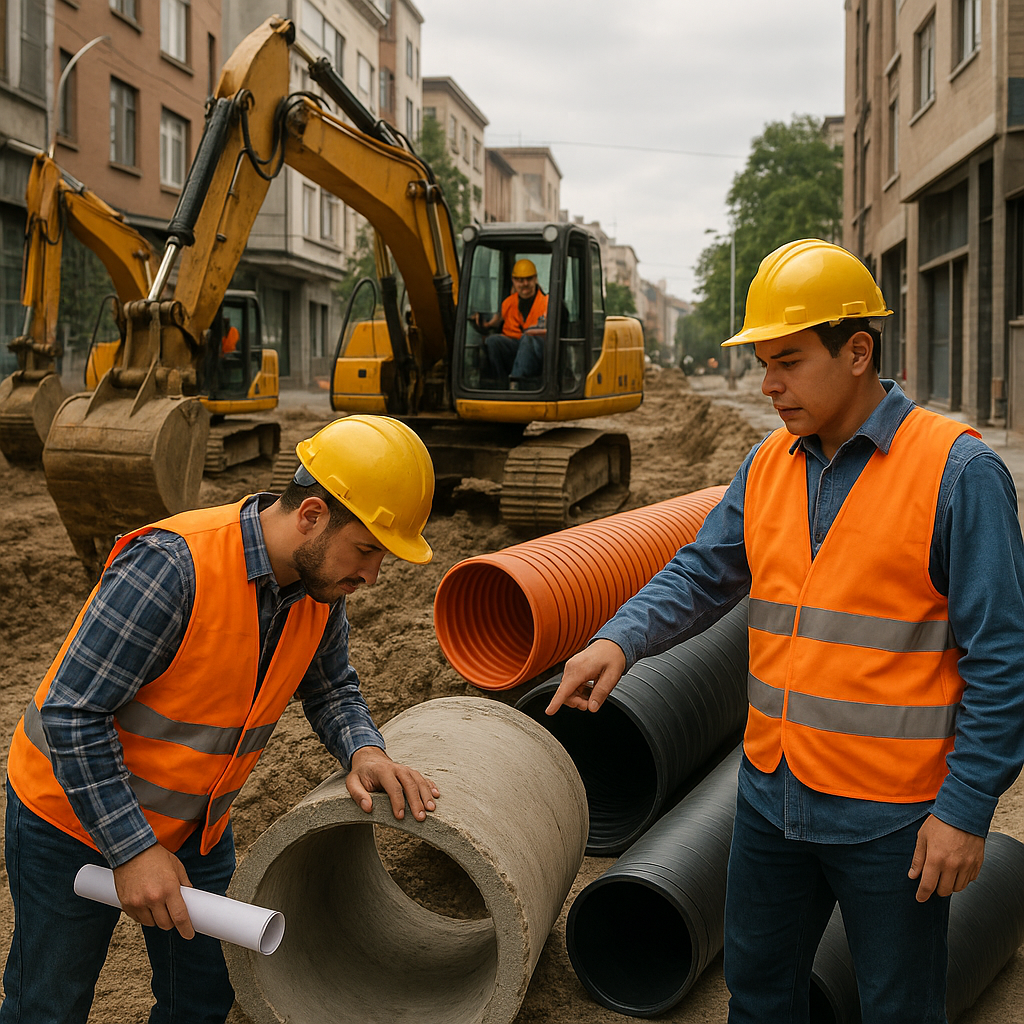
Future of Sewer Pipe Replacement: Trends & Innovations
Introduction
In the evolving landscape of sewer infrastructure, pipe material replacement is becoming increasingly crucial. As we move into 2024, advancements in technology, stringent regulations, and cost considerations are revolutionizing how professionals approach pipe replacements. This article delves into the latest trends and innovations shaping the field.
Technological Advancements
Robotic Inspection Systems
Cutting-edge robotic crawler systems equipped with high-definition pan-and-tilt cameras enable detailed visual inspections. These systems detect:
- Cracks
- Corrosion
- Joint displacement
Such technologies provide greater accuracy, significantly reducing the risk of oversight in traditional inspections.
AI-Powered Predictive Analytics
AI is transforming sewer inspections by automating defect detection and predictive rehabilitation planning. Key benefits include:
- Forecasting deterioration rates
- Optimizing replacement timing
- Minimizing lifecycle costs
Digital Twins and GIS Integration
Digital twins combined with GIS offer utilities a comprehensive, real-time overview of sewer networks, providing better planning capabilities for pipe replacements. This technology allows for:
- Simulating infrastructure conditions
- Testing interventions before implementation
Smart Monitoring Systems
Advanced sensors and smart systems embedded in plumbing provide continuous monitoring, enabling:
- Leak detection
- Environmental compliance
- Reduction in emergency replacements
Regulatory Landscape
Environmental Compliance
Industry regulations mandate compliance with EPA and local environmental rules. This requires:
- Thorough documentation
- Timely action on pipe failures
- Prevention of contamination
Safety Improvements
Safety protocols now leverage remote inspection tools, minimizing worker exposure to hazardous environments. Best practices include:
- Use of drones and robotics for inspections
- Portable gas detection systems
- Real-time video monitoring
Market Dynamics and Opportunities
Urbanization and Aging Infrastructure
Growing urbanization and aging infrastructure are driving demand for efficient pipe replacement solutions. The market is projected to exceed $9.2 billion, fueled by investments in:
- AI
- Robotics
- Circular catch basin designs
Cost-Efficiency
Predictive maintenance models recommend interventions at the lowest lifecycle cost. This balances:
- Upfront replacement expenses
- Long-term savings from reduced failures
Case Studies and Success Stories
Municipalities adopting AI-assisted systems have reported:
- Doubling productivity and accuracy
- Targeted pipe replacements
- Significant cost savings and extended pipe service life
Practical Tips and Actionable Advice
- Invest in Technology: Embrace AI and robotics to enhance inspection precision.
- Prioritize Safety: Implement remote tools to protect workers.
- Stay Informed: Keep up with regulatory changes to ensure compliance.
- Optimize Costs: Utilize predictive analytics for timely replacements.
Conclusion
In summary, pipe material replacement in 2024 is shaped by cutting-edge inspection technologies, AI-driven analytics, stringent regulations, and a market focused on sustainable infrastructure renewal. These developments empower professionals to make informed, timely, and safer decisions about pipe replacements.
References
[1] Source 1 [2] Source 2 [3] Source 3 [4] Source 4 [5] Source 5 [6] Source 6 [7] Source 7