Navigating Sewer Inspection Regulations in 2024
Explore key sewer inspection regulations, technological advances, and industry standards for effective compliance in 2024.
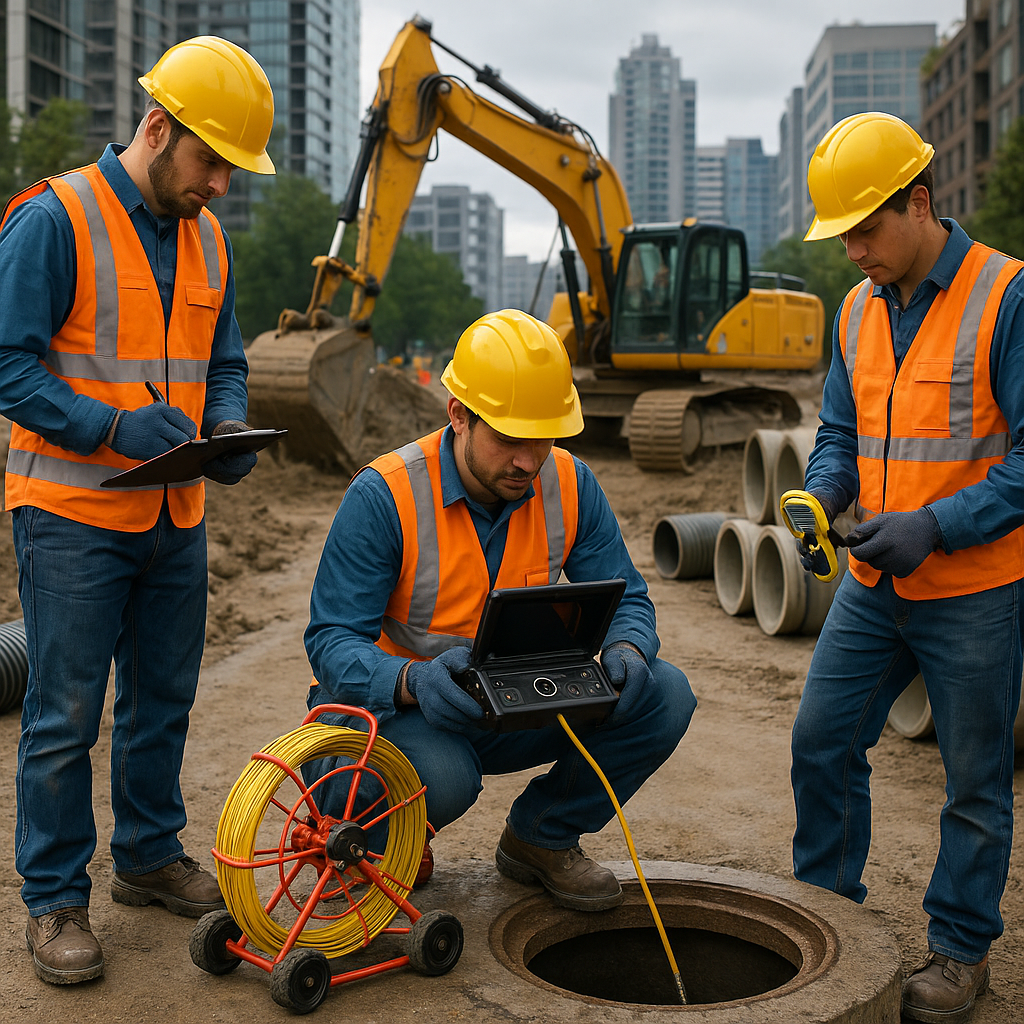
Navigating Sewer Inspection Regulations in 2024
The sewer inspection industry is rapidly evolving, driven by technological innovations and stringent regulatory requirements. Understanding and navigating these regulations is crucial for businesses aiming to maintain compliance and leverage new opportunities.
Table of Contents
- Introduction to Sewer Inspection Regulations
- Key Regulatory Bodies and Standards
- Technological Innovations Enhancing Compliance
- Implementing Effective Inspection Strategies
- Best Practices for Compliance
- Future Trends in Sewer Inspection
Introduction to Sewer Inspection Regulations
Sewer inspection regulations ensure the safety, integrity, and environmental compliance of sewer systems. These regulations are designed to prevent infrastructure failures and environmental hazards.
Key Regulatory Bodies and Standards
Federal Regulations
The Environmental Protection Agency (EPA) is the primary federal body responsible for setting regulations related to water quality and sewer systems. Key regulations include:
- Clean Water Act (CWA): Establishes the basic structure for regulating discharges of pollutants.
- National Pollutant Discharge Elimination System (NPDES): Controls water pollution by regulating point sources.
State and Local Regulations
State and local governments may impose additional regulations. These often involve:
- Local codes and ordinances regulating the construction and maintenance of sewer systems.
- State environmental agencies enforcing compliance with both state and federal laws.
Technological Innovations Enhancing Compliance
AI-Powered Defect Detection
AI technology is transforming sewer inspections by automatically analyzing footage and identifying defects, allowing for:
- Predictive maintenance to prevent failures.
- Efficient resource allocation by targeting areas needing immediate attention.
Ultra-High-Definition Cameras
Cameras with ultra-high-definition capabilities improve the detection of:
- Minute pipe anomalies such as cracks and corrosion.
- Enhanced image clarity for more accurate assessments.
5G and Real-Time Data Transmission
The integration of 5G technology supports:
- Real-time data transmission for immediate analysis and decision-making.
- Remote collaboration between field and office teams.
Implementing Effective Inspection Strategies
Preventative Maintenance
Adopting preventative maintenance strategies includes:
- Regular inspections to identify potential issues before they escalate.
- Use of advanced technologies for comprehensive system monitoring.
Non-Destructive Testing Methods
Non-destructive testing (NDT) methods allow for:
- Thorough inspections without damaging infrastructure.
- Extended lifespan of sewer systems through early issue detection.
Best Practices for Compliance
Training and Certification
Ensure all personnel are:
- Properly trained in the latest technologies and regulations.
- Certified by relevant professional bodies.
Documentation and Reporting
Maintain accurate records for:
- Regulatory compliance and audits.
- Historical data analysis to identify trends and areas for improvement.
Future Trends in Sewer Inspection
Looking ahead, the industry is set to embrace:
- Augmented Reality (AR) for enhanced visualizations.
- Blockchain technology for secure data management and sharing.
By staying informed and adopting these practices, sewer inspection businesses can ensure compliance and capitalize on technological advancements.