Mastering Sewer Inspection Business Management in 2024
Discover essential strategies for managing a modern sewer inspection business in 2024, focusing on technology, regulations, and market growth.
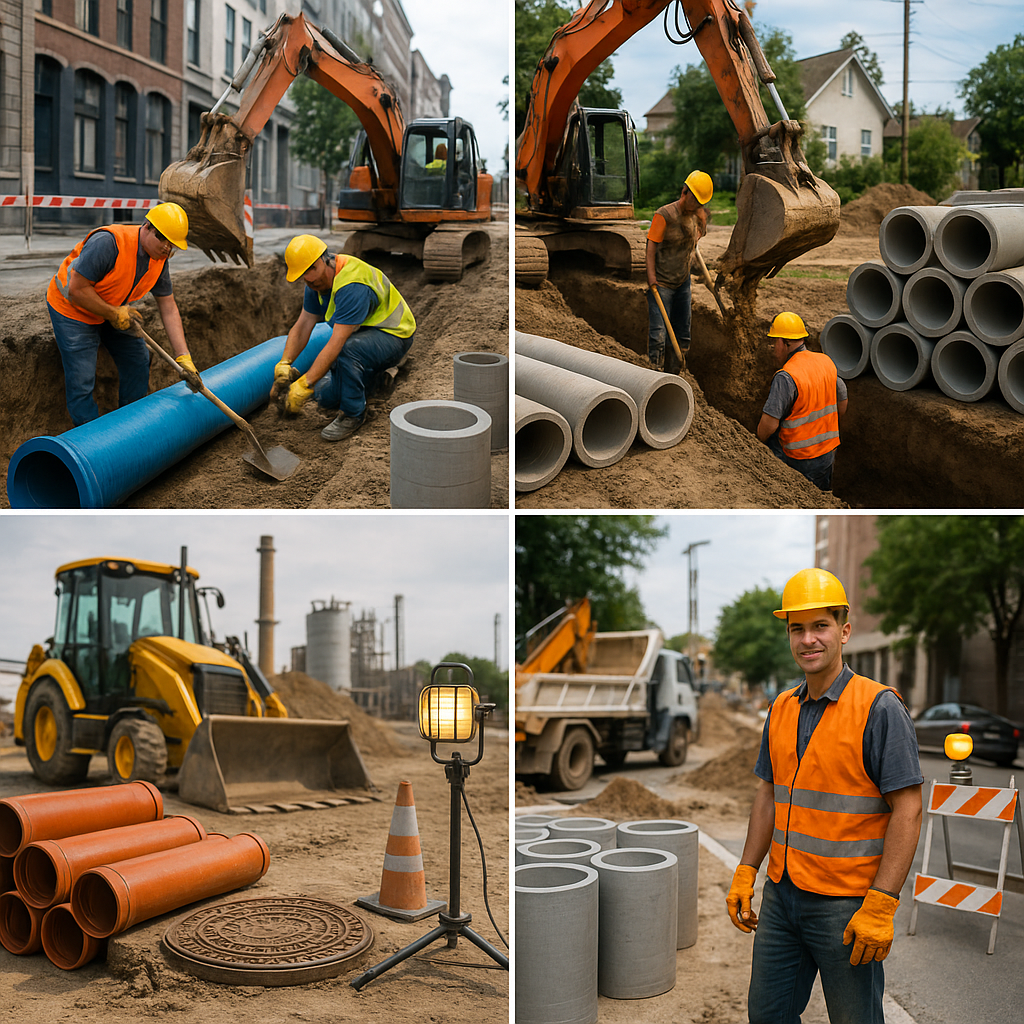
Mastering Sewer Inspection Business Management in 2024
Introduction
The sewer inspection industry is undergoing a transformation in 2024, driven by technological advancements, changing regulations, and expanding business opportunities. This article explores how to effectively manage a sewer inspection business amidst these developments, focusing on new technologies, industry standards, market trends, and best practices for safety and efficiency.
New Technologies and Equipment
Robotic Sewer Inspection Systems
Robotic sewer inspection systems are revolutionizing the industry. These systems come equipped with high-resolution cameras, 3D mapping, and AI-powered analytics. They automate defect detection and enhance maintenance decisions, thus reducing human error and inspection time.
- Benefits:
- Automates defect detection
- Reduces human error
- Enhances maintenance decision-making
Advanced Sewer Cameras
Modern sewer cameras are now integrated with AI and machine learning capabilities. They offer features like 4K ultra-HD imaging and wireless portability, improving accessibility and precision.
- Key Features:
- AI and machine learning integration
- 4K ultra-HD imaging
- Wireless and portable systems
Smart Plumbing Systems
Smart plumbing systems utilize IoT sensors and machine learning to monitor leaks and water consumption in real-time. This technology facilitates predictive maintenance, enhancing efficiency and sustainability.
- Advantages:
- Real-time monitoring
- Predictive maintenance
- Enhanced efficiency and sustainability
Industry Regulations and Standards
Non-Destructive Testing (NDT)
With increasing environmental regulations, non-destructive testing methods are becoming essential. These methods ensure infrastructure integrity during inspections, helping businesses comply with stringent environmental protection standards.
Government Infrastructure Funding
Municipalities are increasingly investing in proactive maintenance strategies supported by government infrastructure funding, prioritizing upgrades and regular monitoring.
Market Trends and Business Opportunities
Market Growth
The global sewer inspection systems market is projected to grow significantly, thanks to urban expansion, aging infrastructure, and rising environmental awareness.
- Forecast: Growth from USD 500 million in 2024 to USD 800 million by 2033 at a CAGR of 5.5-7.5%.
Expanding Market Sectors
The market spans various sectors, including municipal services, construction, environmental management, and residential areas, with a growing adoption of sustainable technologies.
Safety Protocols and Best Practices
Enhancing Worker Safety
Robotic and remote inspection technologies reduce human exposure to hazardous environments, thus enhancing worker safety and operational accuracy.
Preventive Inspections
Best practices emphasize regular preventive inspections using high-definition CCTV and robotic crawlers equipped with pan-and-tilt cameras, combined with AI for real-time analysis.
Recent Case Studies and Success Stories
Companies like RIDGID Tools, CUES, and Envirosight have launched advanced sewer inspection tools, showcasing the industry's commitment to innovation and efficiency.
- Example: Municipalities using robotic inspection systems have reported improved infrastructure management and cost savings through early detection.
Cost and Pricing Information
Market Valuation
The sewer cameras market was valued at approximately USD 389 million in 2024, with expectations to reach USD 607 million by 2032.
- Growth Rate: Around 5.7% CAGR.
Pricing Considerations
Pricing varies by technology sophistication, with robotic and AI-enabled solutions commanding premium pricing but offering long-term savings.
Conclusion
Successful sewer inspection business management in 2024 requires investing in advanced technologies, adhering to evolving regulations, focusing on safety, and leveraging market growth. By integrating these elements, businesses can enhance operational efficiency, reduce costs, and capitalize on new opportunities in various sectors.
Practical Tips
- Invest in Training: Ensure your team is well-versed in the latest technologies and safety protocols.
- Stay Compliant: Keep up-to-date with industry regulations to avoid legal pitfalls.
- Adopt AI Solutions: Implement AI-driven tools for increased accuracy and reduced inspection times.
References
- Industry reports and market analysis publications
- Case studies from leading companies like RIDGID Tools, CUES, and Envirosight