Understanding Pipe Material Standards for Sewer Systems
Explore pipe material standards crucial for modern sewer systems, focusing on durability, regulations, and industry advancements.
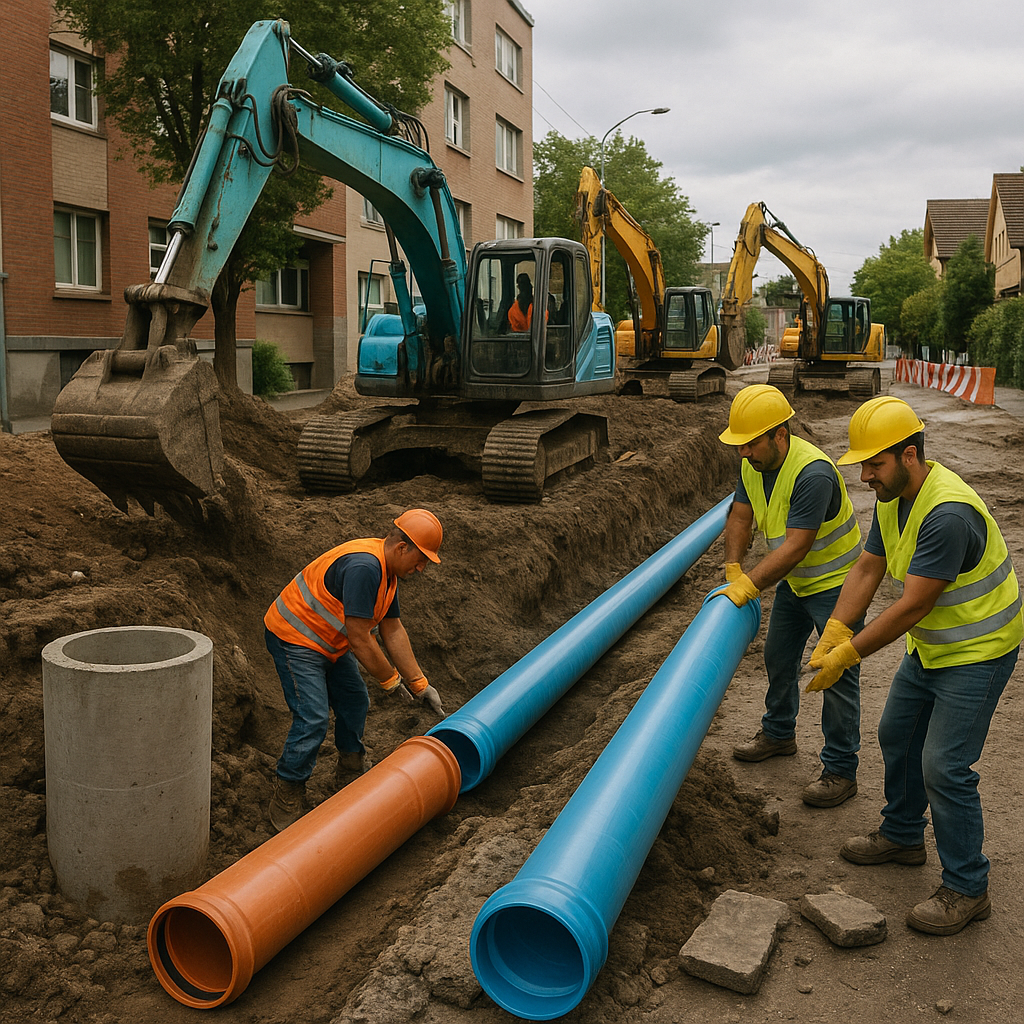
Understanding Pipe Material Standards for Sewer Systems
Introduction
In the evolving landscape of sewer inspection and plumbing, the choice of pipe material is pivotal. The right material ensures longevity, compliance with regulations, and compatibility with advanced inspection technologies. This article delves into the standards governing pipe materials, highlighting industry trends and offering actionable insights for professionals.
The Importance of Pipe Material Standards
Pipe material standards are essential for ensuring the safety, efficiency, and durability of sewer systems. These standards dictate the material properties, dimensions, and performance criteria required for different applications. Key considerations include:
- Durability and Longevity: Materials must withstand environmental stressors and the test of time.
- Chemical Resistance: Pipes should resist corrosion and chemical reactions that may compromise their integrity.
- Environmental Impact: Increasing emphasis on sustainable and eco-friendly materials.
Current Industry Standards and Regulations
Material Standards
The industry has seen a shift towards materials that offer enhanced performance and longevity. Some of the prominent materials include:
- HDPE (High-Density Polyethylene): Known for its flexibility and chemical resistance, HDPE is favored for its durability and ease of installation.
- PVC (Polyvinyl Chloride): Offers excellent corrosion resistance and is lightweight, making it ideal for varied applications.
- Advanced Composites: Newer materials combining polymers and fibers for enhanced strength and reduced weight.
Regulatory Compliance
The plumbing industry is governed by stringent regulations to ensure public safety and environmental protection. Standards such as the American Society for Testing and Materials (ASTM) and the American National Standards Institute (ANSI) provide guidelines for:
- Material Specifications: Detailed requirements for physical and chemical properties.
- Installation Practices: Best practices for safe and effective installation.
- Inspection and Maintenance: Protocols for regular inspection and upkeep.
Technological Advancements in Sewer Inspection
AI-Enhanced CCTV and Robotic Crawlers
Modern inspection tools are equipped with AI capabilities, allowing for precise defect detection and reduced inspection times. These technologies require materials that do not interfere with imaging systems.
Portable and Wireless Systems
Lightweight, portable inspection tools have revolutionized residential sewer inspections, demanding pipe materials that are compatible with such technologies.
3D Mapping and Digital Twins
Advanced mapping technologies necessitate pipe materials that can be accurately represented in digital models, aiding in real-time monitoring and management.
Market Trends Driving Material Standards
Urbanization and Infrastructure Development
The growing demand for robust sewer systems in urban areas has led to increased investment in high-performance materials.
Environmental Sustainability
There is a significant push towards materials that reduce environmental impact, aligning with global sustainability goals.
Cost Considerations
While high-performance materials may have higher upfront costs, their durability and reduced maintenance needs offer long-term savings.
Safety Protocols and Best Practices
Remote and Robotic Inspections
Prioritizing worker safety, remote inspections reduce exposure to hazardous environments, influencing the choice of pipe materials that can accommodate such methods.
Predictive Maintenance
AI-driven models forecast pipe deterioration, ensuring timely interventions and influencing material selection for predictive maintenance.
Practical Tips for Choosing the Right Pipe Material
- Assess the Environment: Consider chemical exposure, temperature variations, and physical stressors.
- Evaluate Compatibility: Ensure materials are compatible with existing infrastructure and inspection technologies.
- Prioritize Longevity: Opt for materials with proven track records in similar applications.
Conclusion
Understanding and adhering to pipe material standards is crucial for the effective functioning of sewer systems. As technology and regulations evolve, staying informed about the latest trends and standards will help professionals make informed decisions that enhance system performance and sustainability.
References
- American Society for Testing and Materials (ASTM)
- American National Standards Institute (ANSI)
FAQs
Q: What is the most durable pipe material for sewer systems? A: HDPE and PVC are among the most durable, offering excellent chemical resistance and longevity.
Q: How do regulations impact pipe material choices? A: Regulations ensure materials meet safety and environmental standards, influencing material selection to comply with these guidelines.
Q: Are there eco-friendly pipe materials available? A: Yes, advanced composites and certain polymers offer eco-friendly options with reduced environmental impact.