Understanding Pipe Material Standards in Sewer Inspections
Explore essential pipe material standards crucial for accurate sewer inspections and optimal infrastructure management.
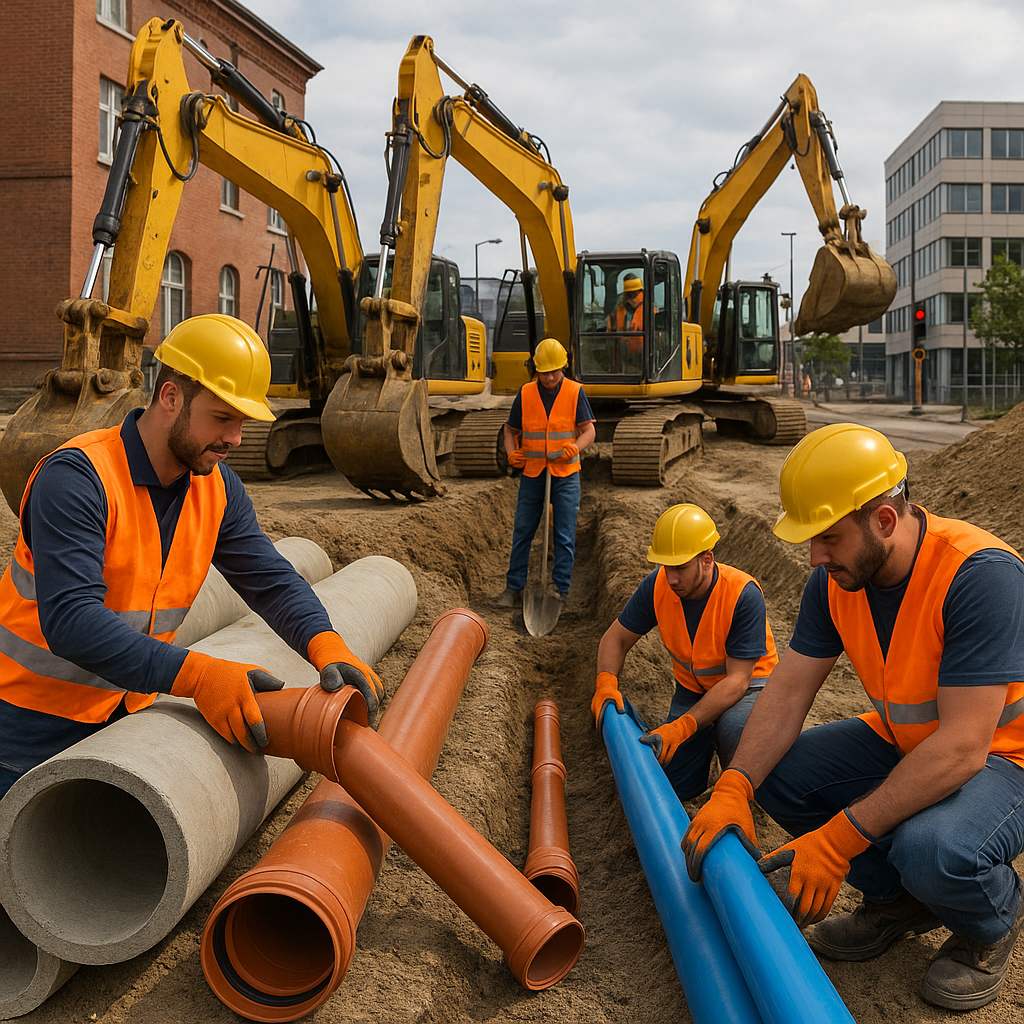
Understanding Pipe Material Standards in Sewer Inspections
Introduction
In the ever-evolving field of sewer inspection, understanding pipe material standards is crucial for professionals aiming to leverage advanced technologies like AI, high-resolution imaging, and robotic systems. Pipe materials such as clay, concrete, PVC, and HDPE each have unique properties that impact inspection and maintenance strategies.
Importance of Pipe Material Standards
Pipe material standards ensure the longevity and reliability of sewer systems. They dictate the physical, chemical, and mechanical properties that materials must meet to withstand environmental conditions and operational demands. Key standards include:
- Durability and Lifespan: Materials must resist corrosion, abrasion, and environmental stress.
- Load-Bearing Capacity: Pipes should support soil and traffic loads.
- Hydraulic Efficiency: Smooth surfaces reduce friction and improve flow.
- Chemical Resistance: Materials should withstand harsh sewage chemicals.
Common Pipe Materials in Sewer Systems
Concrete Pipes
- Standards: ASTM C14, C76
- Pros: High compressive strength, durable
- Cons: Susceptible to chemical attack without lining
- Use Cases: Large-diameter mains, high-load areas
PVC Pipes
- Standards: ASTM D1785, D2241
- Pros: Lightweight, resistant to chemicals
- Cons: Less suitable for high-temperature applications
- Use Cases: Residential and commercial drainage
Clay Pipes
- Standards: ASTM C700
- Pros: Excellent corrosion resistance
- Cons: Brittle, heavy
- Use Cases: Historical restorations, gravity sewers
HDPE Pipes
- Standards: ASTM F714, D3350
- Pros: Flexible, impact-resistant
- Cons: Higher initial cost
- Use Cases: Areas with shifting soils, trenchless installations
Integration with Advanced Technologies
AI and Machine Learning
AI-powered cameras can identify defects specific to each pipe material, enhancing maintenance schedules and reducing repair costs.
High-Resolution Imaging
4K imaging systems provide detailed visuals, making it easier to spot material-specific issues like micro-cracks in concrete or deformation in PVC.
Robotic and Autonomous Systems
Robotic crawlers improve inspection accuracy in difficult-to-access pipe networks, regardless of material.
Industry Regulations and Standards
Compliance with pipe material standards is essential for meeting environmental regulations and ensuring infrastructure resilience. Standards are harmonized globally, allowing seamless interoperability between different inspection systems.
Practical Tips for Sewer Inspection Professionals
- Material Identification: Use inspection data to verify pipe materials and their condition.
- Regular Training: Stay updated with the latest standards and technologies.
- Predictive Maintenance: Utilize AI-driven tools for timely interventions.
Conclusion
Understanding and adhering to pipe material standards is vital for effective sewer system management. By integrating advanced inspection technologies, professionals can optimize their operations, ensuring infrastructure longevity and efficiency.
References
- [1] Source reference 1
- [2] Source reference 2
- [3] Source reference 3