Innovative Trenchless Repair Materials for 2024
Explore the latest trenchless sewer repair materials and technologies revolutionizing the plumbing industry in 2024.
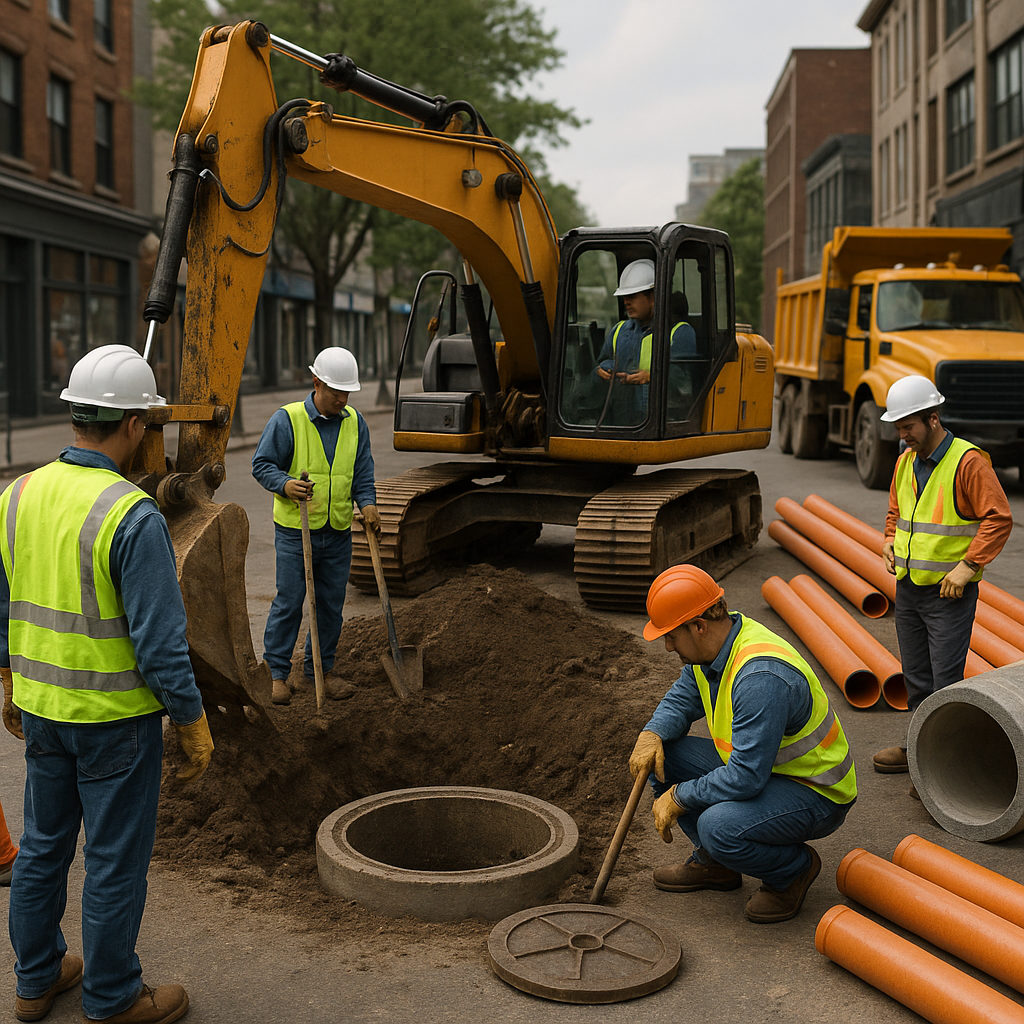
Innovative Trenchless Repair Materials for 2024
As the sewer inspection and plumbing industry continues to evolve, trenchless repair methods are at the forefront of technological advancements. These methods not only minimize disruption but also promise efficiency and cost savings. This article delves into the latest materials and technologies that are transforming trenchless repair in 2024, providing valuable insights for professionals in the field.
Understanding Trenchless Repair
Trenchless technology involves the repair or replacement of underground pipelines with minimal excavation. This method is particularly beneficial in urban settings where traditional dig-and-replace methods can be highly disruptive.
Key Benefits of Trenchless Repair
- Reduced Disruption: Minimizes the impact on surrounding infrastructure and daily activities.
- Cost-Effective: Lowers labor and restoration costs by reducing excavation needs.
- Time-Efficient: Speeds up repair timelines, with some methods allowing for same-day service.
- Environmental Impact: Lessens the carbon footprint by reducing machinery and energy use.
Latest Trenchless Repair Materials
The materials used in trenchless repair are as crucial as the technology itself. Here are some of the most innovative materials making waves in 2024:
Cured-In-Place Pipe (CIPP)
CIPP involves inserting a resin-saturated liner into the existing pipe. The liner is then cured using hot water, steam, or ultraviolet light, forming a new pipe within the old one.
- Durability: Offers a lifespan of 50 years or more.
- Versatility: Suitable for various pipe diameters and materials.
Pipe Bursting
This method involves breaking the old pipe while simultaneously pulling a new pipe into place.
- Material Options: High-density polyethylene (HDPE) is commonly used due to its strength and flexibility.
- Application: Ideal for replacing severely damaged pipes.
Sliplining
Sliplining involves inserting a smaller, new pipe into the existing one.
- Common Materials: PVC, HDPE, and fiberglass-reinforced pipe.
- Advantages: Simple installation and cost-effective for long stretches of pipe.
New Technologies and Equipment
AI and Machine Learning Integration
- Predictive Maintenance: AI-driven cameras automatically detect pipe defects, reducing the need for manual inspection.
- Enhanced Accuracy: Deep learning models improve damage detection, surpassing single-sensor capabilities.
Advanced Robotic Systems
- Multi-Sensor Platforms: Combine cameras and LiDAR for comprehensive mapping and defect localization.
- Autonomous Navigation: Robots equipped with AI can access complex networks previously unreachable.
High-Resolution Imaging
- 4K and Ultra-HD Cameras: Provide clearer visuals for more accurate assessments.
- Panoramic Imaging: Offers 360-degree views of pipe interiors.
Wireless and Portable Systems
- Ease of Use: Lightweight and wireless systems are ideal for tight or remote locations.
- Battery-Powered: Increases mobility and operational time.
Industry Regulations and Standards
Digital Documentation and Compliance
- Automated Reporting: Enhances compliance with environmental regulations through clear, auditable records.
Safety Standards
- Remote Inspection: Reduces worker exposure to hazardous environments.
- Real-Time Monitoring: Portable detectors and video feeds ensure safer inspections.
Market Trends and Business Opportunities
- Growing Market: The global sewer cameras market is projected to grow significantly, driven by advancements in technology.
- Demand for Trenchless Solutions: Increasing demand for non-invasive repair methods that minimize community disruption.
Practical Tips for Professionals
- Stay Informed: Keep up-to-date with the latest technologies and materials in trenchless repair.
- Invest in Training: Equip your team with knowledge and skills to handle advanced systems and materials.
- Focus on Compliance: Ensure all operations meet the latest industry regulations and standards.
Conclusion
The trenchless repair industry is poised for significant growth and innovation in 2024. By leveraging new materials and technologies, professionals can offer more efficient, cost-effective, and environmentally friendly solutions. Staying informed and investing in the latest advancements will be key to success in this evolving field.